

Introduction
When I started freelancing years ago, I had zero experience, no portfolio, no clients, and absolutely no idea where to begin.
What I did have was the desire to build a flexible income and the willingness to learn fast.
Today, freelancing has become a full-time career for me, allowing me to work with international clients, set my own rates, and earn far more than my previous job.
And in this guide, I’ll walk you through exactly how to start freelancing with no experience — the same steps I followed when I was a complete beginner.
Whether you want to earn your first $50 online or build a long-term freelancing business, this article gives you a proven roadmap.
What Is Freelancing? (Quick Explanation)
Freelancing simply means offering your skills or services to clients on a project basis instead of working as a full-time employee. You decide:
✔ What work you do
✔ Who you work with
✔ How much you charge
✔ When you work
This freedom is exactly why freelancing is booming across the world.

1. Start by Identifying Skills You Already Have
When I began freelancing, I mistakenly believed I needed advanced skills.
But the truth is: you already have skills that clients will pay for.
Here are beginner-friendly skills that require no experience:
- Writing simple content
- Data entry
- Virtual assistance
- Social media posting/management
- Basic Canva graphic design
- Transcription
- Customer support
- Lead generation
- Posting & scheduling content
- Simple video editing
- Basic SEO tasks
How I discovered my first skill
I realized I was good at writing social media captions and rewriting content.
That alone helped me land my first client.
Action Step:
Write down 10 things you can do without needing advanced training.
You only need ONE to start freelancing.
2. Choose a Freelancing Service to Start With
As beginners, we often try to offer too many services.
I made this mistake too.
But once I niched down, clients started taking me seriously.
Best beginner services with high demand:
- Social Media Manager
- Content Writer
- Virtual Assistant
- Graphic Designer (Canva)
- Cold Email Specialist
- Video Editor (basic reels)
- Website Assistant (WordPress tasks)
Tip: Start with ONE service → master it → then expand later.
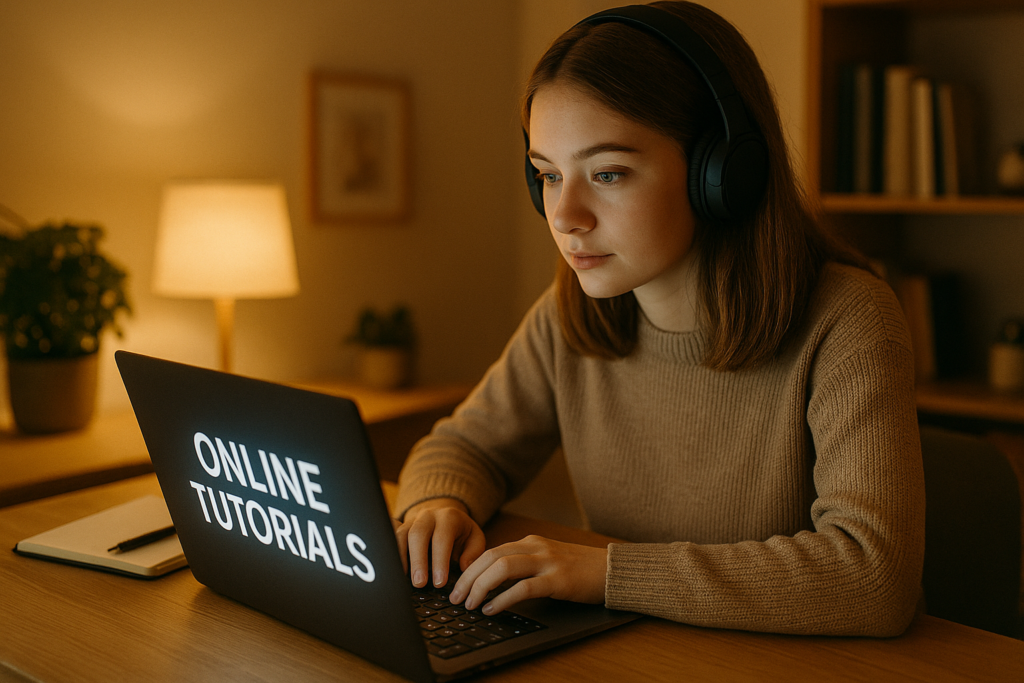
3. Learn the Basics (FREE Learning Sources)
You do NOT need paid courses to start.
Here’s exactly what I used when I was starting:
✔ YouTube
Search: “Beginner freelancing tutorial”, “how to do X service”.
✔ Google Digital Garage
Great for basic marketing.
✔ HubSpot Academy
Top quality free certifications.
✔ Coursera free courses
Choose the “audit” option.
4. Create a Simple Portfolio (Even With No Experience)
Clients don’t ask for degrees — they ask for samples.
I created my first portfolio using completely self-made samples, even before getting any real clients.
How to create a beginner portfolio:
- Write 2–3 sample articles
- Design 3–4 Canva graphics
- Edit 3 sample videos
- Create a mock social media calendar
- Do a sample data entry sheet
Where to build it:
- Google Drive (FREE & easiest)
- Canva portfolio
- Wix free portfolio site
- Behance or Dribbble (for designers)
Tip: Keep your portfolio simple, visual, and easy to open.
5. Create Strong Freelancing Profiles
I personally started on Upwork and Fiverr, but there are many options.
Best platforms for beginners:
- Upwork
- Fiverr
- Freelancer.com
- PeoplePerHour
- Guru
- LinkedIn Services
- Naukri Freelance
- Internshala (India beginners)
Optimize your profile with:
- Professional photo
- Skill-focused title
→ Example: “Beginner Social Media Manager | Engagement & Content Specialist” - Short, impactful bio
- Portfolio samples
- Keywords related to your service
Your profile is your first impression, so make it strong.
6. Apply for Small Jobs First (This Is How I Got My Break)
When I was new, I didn’t chase big $500 projects.
I started with $5–$20 tasks just to build:
✔ Client reviews
✔ Confidence
✔ Portfolio
✔ Understanding of the workflow
These small projects helped me learn without pressure and created a base for bigger earnings.
7. Send Personalized Proposals (Not Copy-Paste!)
This is one of the BIGGEST mistakes beginners make.
When I started writing proposals like a real human — not like pasted templates — my success rate skyrocketed.
My winning proposal framework:
- Start with greeting using their name
- Mention what you understood about the job
- Explain how you will solve the problem
- Show a 1–2 line sample or idea
- Add portfolio link
- Close confidently (“I can start today”)
Short, simple, human tone wins.
8. Deliver High-Quality Work & Communicate Well
Freelancing is not just skill — it’s also communication.
Always do this:
- Reply quickly
- Ask questions clearly
- Deliver before deadline
- Overdeliver slightly
- Be polite & professional
This alone helped me turn one-time clients into long-term clients.
9. Increase Rates Slowly (This Is How I Scaled)
You shouldn’t charge low forever.
After every 3–5 projects:
✔ Increase your price
✔ Improve your portfolio
✔ Update your bio
✔ Target higher-quality clients
Within months, I went from $5 tasks to $100+ projects.
10. Build Long-Term Clients (Your Real Income Source)
One long-term client is worth more than ten one-time clients.
Strategies that worked for me:
- Offer monthly packages
- Provide free suggestions
- Stay consistent
- Communicate proactively
- Send weekly updates
Long-term clients give stable income + consistent workflow.
Conclusion
Starting freelancing with no experience is not only possible — it’s exactly how most successful freelancers begin, including me.
Follow this roadmap, practice consistently, and within weeks you can land your first paying client.
If I could start from zero and build a stable freelancing career, you can too.

FAQ SECTION
1. Can I really start freelancing with zero experience?
Yes. Most freelancers start with no experience. All you need is one skill and a simple portfolio.
2. How long does it take to get my first client?
Many beginners get clients within 2–30 days depending on consistency and quality of proposals.
3. Do I need paid courses?
Not at all. Free resources on YouTube, Google, and blogs are enough in the beginning.
4. Which platform is best for beginners?
Upwork and Fiverr are the easiest to start with, but LinkedIn also brings great clients.
5. How much can a beginner freelancer earn?
Beginners usually start with $50–$300/month, but with consistent practice you can grow to $1000+ per month.
6. What if I don’t have skills?
Choose one simple skill and spend 7–15 days learning it through free tutorials.